

Tenía veinticuatro años cuando me secuestraron y perdí prácticamente todo mi patrimonio. No voy a contar aquí los detalles de esos días porque no son el punto, y porque hay cosas que uno cuenta cuando el cuerpo se lo permite. Lo que importa para este texto empezó unos días después, cuando ya estaba libre y no tenía nada.
Iba caminando por la calle. Una señora que no conocía, que nunca volví a ver y de quien no supe el nombre, se detuvo frente a mí, sacó un escapulario de la Virgen de Guadalupe y me lo puso en la mano. No me pidió dinero. No me explicó nada. Me dijo que lo tuviera conmigo y siguió su camino.
Esa noche me acosté con el escapulario cerrado en el puño. Vivía solo.
Cuando desperté, no estaba. Busqué entre las sábanas, debajo de la almohada, debajo de la cama. Sacudí las cobijas. Revisé el piso de la habitación completa, esa clase de búsqueda meticulosa y un poco desesperada del que sabe que un objeto no puede simplemente desaparecer. No estaba.
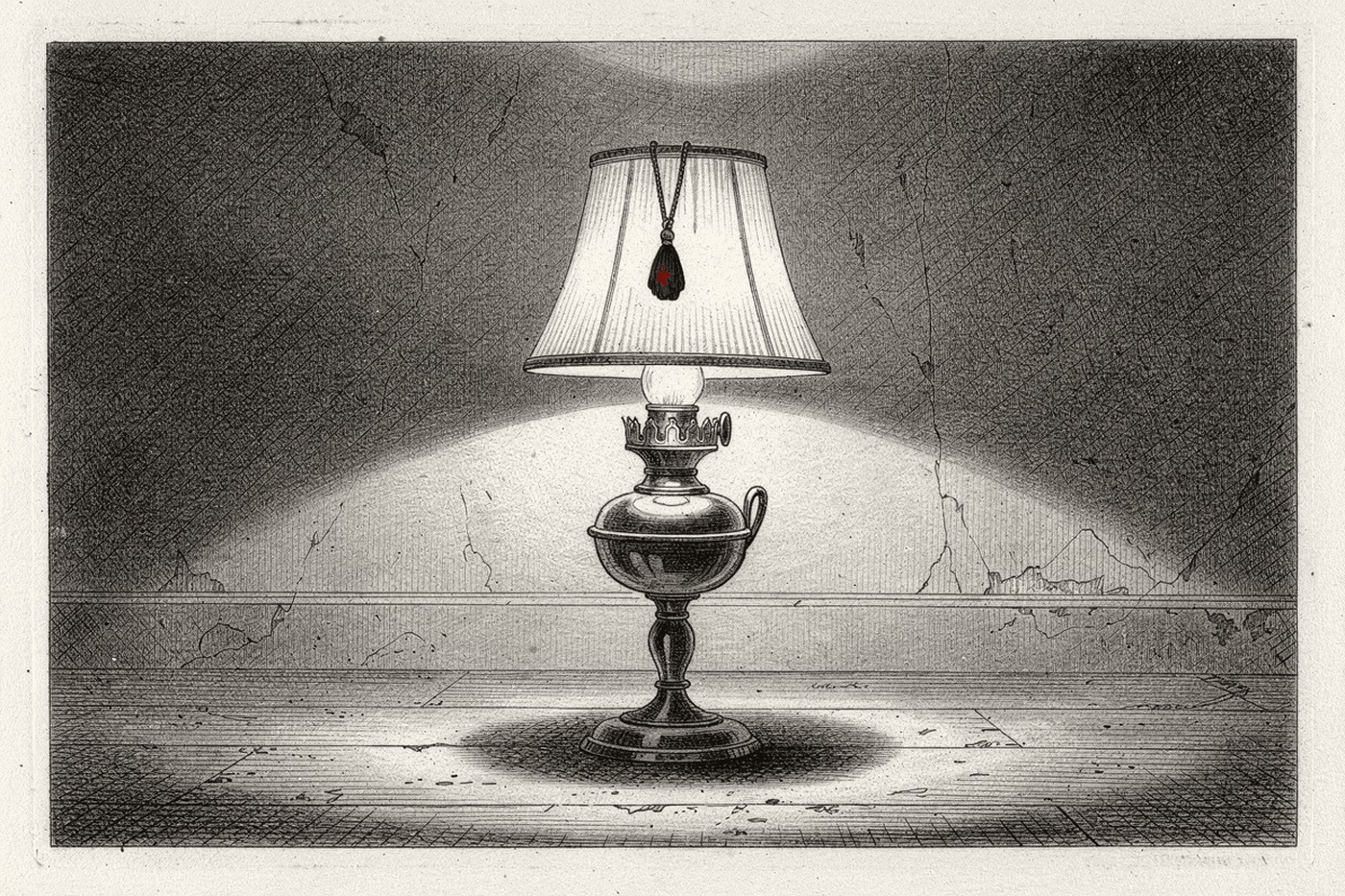
Salí a la sala. El escapulario estaba sobre la pantalla de la lámpara. Perfectamente recto. Como si alguien lo hubiera colocado ahí con cuidado.
Y en mi cabeza escuché, con una claridad que no he vuelto a experimentar, un mensaje muy concreto: que en un año iba a recuperar absolutamente todo lo que me habían quitado.
Un año después lo había recuperado todo.
Le voy a pedir algo antes de seguir: no me crea. No necesito que me crea. Lo que le pido es que no cierre la puerta antes de leer el argumento, porque el argumento no es que ocurrió un prodigio sobrenatural. El argumento es más incómodo y más interesante que eso.
Y le debo una confesión de origen. Yo fui formado para ser rabino. Estudié en una de las escuelas judías más religiosas que hay, con todo lo que eso implica: la disciplina del texto, la discusión del texto, la costumbre de que a una pregunta se le responda con otra pregunta mejor.
Soy judío y no he dejado de serlo un solo día. Pero mi judaísmo se volvió con los años más espiritual que ritual: me quedé con la manera de pensar y solté buena parte de la observancia. Me quedé con la pregunta, con la discusión, con la idea de que el texto se estudia toda la vida y nunca termina de decir lo que dice. Y me quedé, sobre todo, con la cábala.
Después leí el Nuevo Testamento. Leí el Corán. Leí encíclicas papales. Leí Camino, de José María Escrivá de Balaguer. Estudié cábala desde los veinticuatro años y me metí en el Zóhar. Y leí, sobre todo, a Baruch Spinoza, que fue expulsado de su propia comunidad judía por decir en el siglo diecisiete algo que a mí me ordenó la cabeza en el veintiuno.
No leí todo eso para armar una religión a la medida ni para irme de la mía. Lo leí porque en todas partes encontré la misma intuición dicha con distintas palabras, y porque tengo la manía de no confiar en una idea hasta haberla visto formulada por gente que no se conoció entre sí, separada por siglos y por idiomas. Se puede estar firmemente parado en una tradición y leerlo todo. De hecho, es la única forma seria de estar parado en una tradición.
Lo que sigue es lo que saqué en limpio de todo eso, más lo que me enseñó la vida a golpes: qué es un milagro cuando uno le quita el disfraz mágico, por qué la mente fabrica realidad de una manera que la física todavía no explica del todo, qué tienen de razón los ateos, y cuál es la única fórmula que en mi experiencia funciona.
I was twenty-four when I was kidnapped and lost virtually everything I owned. I will not recount the details of those days here, because they are not the point. What matters for this text began a few days later, when I was free and had nothing.
I was walking down the street. A woman I did not know, whom I never saw again and whose name I never learned, stopped in front of me, took out a scapular of the Virgin of Guadalupe and placed it in my hand. She asked for no money. She explained nothing. She told me to keep it with me and walked on.
That night I went to bed with the scapular closed in my fist. I lived alone.
When I woke up, it was gone. I searched the sheets, under the pillow, under the bed. I shook out the blankets. I checked the entire bedroom floor, that meticulous and slightly desperate search of someone who knows an object cannot simply vanish. It was not there.
I walked out to the living room. The scapular was resting on the lampshade. Perfectly straight. As if someone had placed it there carefully.
And in my head I heard, with a clarity I have never experienced again, a very concrete message: that within a year I would recover absolutely everything that had been taken from me.
A year later I had recovered all of it.
Let me ask one thing before we continue: do not believe me. I do not need you to. What I ask is that you not close the door before reading the argument, because the argument is not that a supernatural prodigy occurred. The argument is more uncomfortable and more interesting than that.
And I owe you a confession of origin. I was trained to be a rabbi. I studied at one of the most religious Jewish schools there is, with everything that implies: the discipline of the text, the argument over the text, the habit of answering a question with a better question.
I am Jewish and have not stopped being so for a single day. But over the years my Judaism became more spiritual than ritual: I kept the way of thinking and let go of much of the observance.
Later I read the New Testament. I read the Quran. I read papal encyclicals. I read The Way, by José María Escrivá de Balaguer. I studied Kabbalah from the age of twenty-four and went into the Zohar. And above all I read Baruch Spinoza, expelled from his own Jewish community in the seventeenth century for saying something that ordered my mind in the twenty-first.
El niño de tres años
Tenía treinta y cuatro años cuando mi hijo, que entonces tenía tres, estuvo a punto de morir.
No voy a describir los diagnósticos. Quien ha estado en un pasillo de hospital esperando que alguien con bata salga a decirle algo sabe que ese pasillo no se describe, se sobrevive. Lo único que hace falta saber es que los pronósticos que recibimos eran de los que no dejan espacio para la esperanza razonable, y que los médicos, que hicieron todo y a quienes les debo lo que no se paga, nos prepararon para lo peor.
Mi hijo vivió.
Y aquí es donde tengo que ser muy cuidadoso, porque es exactamente el punto donde un texto como este se puede volver deshonesto. No voy a decir que mi hijo vivió porque yo recé y el hijo de otro murió porque su padre no rezó lo suficiente. Eso sería monstruoso, sería falso, y sería un insulto a cada padre que ha enterrado a un niño rezando más que yo. Si algo aprendí en ese pasillo es que la fe no es una moneda con la que se compran resultados, y que quien la vende así está estafando a gente desesperada.
Lo que sí puedo decir es lo que me ocurrió a mí, por dentro, en ese pasillo. Y ocurrió esto: llegó un momento, después de haber hecho absolutamente todo lo humanamente posible, en que entendí con una claridad física que ya no había nada más que yo pudiera hacer. Ni un médico más que consultar. Ni un traslado más que gestionar. Ni una llamada más que hacer a las tres de la mañana.
Y ahí, en ese punto exacto donde se acaba lo humano, solté.
No solté de resignación. Solté de entrega. Que son dos cosas absolutamente distintas y que casi nadie distingue. La resignación dice: no se puede, me rindo. La entrega dice: hice todo, y lo que sigue no me corresponde a mí.
Qué es un milagro cuando se le quita el disfraz
Le debo una definición, porque la palabra está tan gastada que ya no significa nada.
La versión popular dice que un milagro es la suspensión de una ley natural. Que el agua se detiene, que la gravedad se apaga por un momento. Yo no creo en eso, y le voy a explicar por qué mi definición me parece más difícil de refutar y no más fácil.
Para mí un milagro es la convergencia de causas que ninguna mente humana podía haber ordenado, en un momento que ninguna mente humana podía haber elegido, produciendo un resultado que era estadísticamente improbable y biográficamente necesario.
Desármelo conmigo, parte por parte, porque cada palabra está puesta a propósito.
Convergencia de causas. No hay ruptura de la naturaleza. Todo lo que ocurre sigue funcionando exactamente como la física dice que funciona. Lo extraordinario no es que una ley se rompa: es que un número enorme de cadenas causales independientes coincidan en un punto.
Que ninguna mente humana podía haber ordenado. Aquí está el filo. Yo no puedo hacer que una señora que no conozco salga de su casa ese día, a esa hora, con un escapulario en la bolsa, y decida dármelo a mí y no a otro. Esa cadena no pasa por mi voluntad en ningún punto.
Estadísticamente improbable y biográficamente necesario. Y esta es la parte que a mí me desarma. Los coincidencias ocurren todo el tiempo, de acuerdo. Pero las coincidencias azarosas son indiferentes: no significan nada, no llegan en el momento en que uno se quiebra, y no traen instrucciones. Lo que a mí me pasó no fue improbable nada más. Fue improbable y además exactamente pertinente.
Lo que tienen de razón los ateos
Ahora la parte que este tipo de textos casi nunca incluye, y sin la cual todo lo demás no vale nada.
Los argumentos ateos y agnósticos contra lo que acabo de contar son buenos. No son tontos, no son superficiales, y quien los descarte con un gesto de la mano está haciendo trampa. Los conozco bien porque me los he hecho yo mismo durante veinte años, a las tres de la mañana, que es cuando uno discute en serio consigo mismo.
El primero es el sesgo de supervivencia. Yo escribo este ensayo porque mi hijo vivió y porque recuperé lo que perdí. Los que rezaron igual que yo y perdieron a su hijo no están escribiendo ensayos: están en silencio. Si solo escuchamos a los que ganaron, vamos a concluir que rezar funciona, igual que si solo entrevistamos a los millonarios vamos a concluir que arriesgarlo todo funciona. Es una objeción demoledora y no tengo una refutación limpia. Solo tengo esto: yo no afirmo que la fe produce resultados. Afirmo que a mí me sostuvo mientras los resultados se decidían.
El segundo es el sesgo de confirmación. La mente humana es una máquina de encontrar patrones, y encuentra patrones incluso donde no los hay. Yo recuerdo el escapulario sobre la lámpara con una nitidez absoluta. ¿Recuerdo con la misma nitidez las cien veces que pedí algo y no pasó nada? Honestamente, no. Nadie las recuerda. Ese es el punto de la objeción y es válido.
El tercero es el argumento del dolor, que es el más serio de todos y el más antiguo. Si hay una inteligencia superior y es buena, ¿por qué el niño de la cama de al lado? ¿Por qué Auschwitz? A esa pregunta no le voy a dar un párrafo. Le voy a dar un capítulo entero más adelante, porque es la única objeción que puede tumbar todo lo que estoy diciendo, y porque a mí me tocó de cerca.
Y el cuarto, el más elegante: la navaja de Ockham. Entre dos explicaciones, la más simple suele ser la correcta. ¿Es más simple que el escapulario se me haya caído, lo haya pateado dormido y haya quedado por casualidad sobre la lámpara, o que una inteligencia universal me haya dejado una señal? La primera, sin duda alguna.
Le concedo las cuatro. Todas. Y aun así estoy aquí escribiendo esto, y le voy a explicar por qué.
La pregunta que puede tumbar todo este ensayo
Aquí está la objeción que ninguna teología ha resuelto en tres mil años, y la voy a formular en su versión más dura, sin suavizarla, porque suavizarla sería hacer trampa.
Si existe una inteligencia superior y es buena, ¿por qué el Holocausto? ¿Por qué un millón y medio de niños asesinados de manera industrial? ¿Por qué el niño de la cama de al lado en ese hospital, cuyo padre rezó exactamente lo mismo que yo? ¿Por qué el terremoto que se lleva a los que dormían, sin distinguir entre justos y no justos?
Y le debo aquí una nota personal, porque cambia el peso de lo que voy a escribir. Yo soy judío y me formé en una escuela judía religiosa. La Shoá no es para mí un ejemplo filosófico que se saca en una discusión de café. Es la herida en el centro de mi propia casa. Cualquier cosa que yo diga sobre este tema tiene que poder decirse frente a un sobreviviente sin que le insulte la memoria. Ese es el filtro con el que escribí lo que sigue.
Primero, lo que no voy a decir
Antes de dar mi respuesta necesito descartar tres respuestas que se dan todo el tiempo y que me parecen indefendibles.
No voy a decir que el Holocausto tuvo un propósito bueno. No lo tuvo. No hay un bien mayor que justifique una cámara de gas, y quien construya un argumento que termine justificándola está construyendo un argumento monstruoso, por muy elegante que le quede la lógica. Si mi tesis obligara a decir que Auschwitz fue necesario para algo, yo abandonaría mi tesis, no la memoria de los muertos.
No voy a decir que fue un castigo. Esa idea, que algunos han sostenido incluso desde dentro de mi propia tradición, me parece la peor forma de teología: le echa la culpa a la víctima para salvarle la reputación a Dios. Es indigna.
Y no voy a decir que las víctimas no rezaron bien. Rezaron. Muchos rezaron hasta el último instante, con más fe de la que yo he tenido en toda mi vida. Cualquier explicación que dependa de la calidad de la oración de la víctima está descalificada de origen.
Descartado eso, queda muy poco espacio. Y en ese poco espacio está lo que sí creo.
Lo primero: eso no lo hizo Dios. Lo hicieron hombres
Empiezo por lo más simple y lo que menos se dice, porque de tan obvio se salta.
El Holocausto no fue un fenómeno natural. No fue un rayo. Fue diseñado por seres humanos, votado por seres humanos, financiado por seres humanos, ejecutado por seres humanos con nombre y apellido, y consentido por millones de seres humanos que miraron hacia otro lado. Cada eslabón de esa cadena fue una decisión libre de una persona.
Y aquí aparece el precio del que casi nadie quiere hablar: un universo donde el hombre puede elegir el bien es necesariamente un universo donde el hombre puede elegir el mal. No hay manera de tener lo uno sin lo otro. Una libertad que solo permite elegir correctamente no es libertad: es un mecanismo.
Quien pregunta por qué Dios no impidió Auschwitz está pidiendo, sin darse cuenta, un mundo donde el ser humano no pueda decidir. Y ese mundo, además de no ser el nuestro, sería un mundo sin dignidad humana, porque la dignidad consiste precisamente en poder elegir mal y no hacerlo.
Sé que esta respuesta no consuela. No pretende consolar. Solo señala dónde está puesta la responsabilidad, y no está puesta arriba.
El tzimtzum: la contracción
Y ahora la pieza que viene de mi propia tradición, de la cábala que estudio desde los veinticuatro años, y que para mí es la explicación más honda que he encontrado en cualquier parte.
Isaac Luria, el cabalista de Safed del siglo dieciséis, planteó una pregunta que parece de niño y es abismal: si Dios lo ocupa todo, ¿dónde cabe el mundo? Si la sustancia divina es infinita y llena absolutamente todo el espacio posible, entonces no hay lugar para que exista nada más.
Y su respuesta fue el tzimtzum: la contracción. Para que el mundo pudiera existir, Dios se retiró de una porción de sí mismo. Hizo un vacío deliberado. Se limitó a propósito para dejar sitio a algo que no fuera Él.
Deténgase en la magnitud de esa idea, porque le da vuelta a todo. El acto fundacional del universo no es una demostración de poder. Es una renuncia al poder. Dios no crea el mundo llenándolo, lo crea retirándose. Y el espacio que queda vacío es exactamente el espacio donde el ser humano es libre y donde, por lo tanto, el horror es posible.
Después de la Shoá, el filósofo Hans Jonas retomó esa intuición para responder a la pregunta que estamos haciendo, y llegó a una conclusión de una tristeza enorme y de una coherencia perfecta: si Dios se contrajo para darnos libertad, entonces durante Auschwitz Dios no era el que podía intervenir y no quiso. Era el que ya había renunciado a intervenir, y estaba en la cámara, sufriendo con los que sufrían.
Uno puede aceptar o no esa lectura. Yo la sostengo. Y noto algo que me parece decisivo: es la única respuesta que no le echa la culpa a la víctima ni le inventa un propósito al crimen.
El argumento del fragmento
Y llego por fin a lo que constituye mi respuesta propia, la que he armado en veinte años y que ahora sí puedo formular con precisión.
Creo que existe una inteligencia superior que ordena las cosas hacia el bien más alto en el tiempo, el modo, el lugar y las circunstancias exactas, y que la mente humana es estructuralmente incapaz de verificar ese orden desde adentro.
No incapaz por ignorancia, que se corregiría estudiando. Incapaz por estructura, del mismo modo que un ojo no puede verse a sí mismo sin un espejo.
Le doy la razón por la que sostengo esto, y no es un acto de fe: es una observación sobre los límites del punto de observación.
Cada uno de nosotros evalúa el universo desde un fragmento minúsculo. Vemos unas décadas de un proceso que lleva miles de millones de años. Vemos nuestra vida y las de un puñado de personas, de una especie, en un planeta. Y desde ese fragmento emitimos un veredicto sobre la totalidad: esto está mal ordenado.
Piense en lo que exige ese veredicto. Exige saber cuáles habrían sido las consecuencias de que las cosas hubieran ocurrido de otro modo, a lo largo de todo el tiempo y sobre todas las personas afectadas. Nadie tiene esa información. Ni siquiera tenemos la información de nuestra propia vida.
Y de eso último sí tengo evidencia de primera mano, y es lo que me convenció. Yo he pedido cosas con toda mi alma que, de habérmelas concedido, me habrían destruido. He llorado durante meses puertas que se cerraron y que hoy sé, con certeza absoluta, que eran trampas. Me quitaron todo a los veinticuatro años y ese despojo me construyó el carácter con el que después sostuve el pasillo del hospital a los treinta y cuatro.
Si en el fragmento pequeñito de mi propia biografía yo me equivoqué sistemáticamente al juzgar qué era bueno para mí, ¿con qué autoridad juzgo el orden completo del universo?
La magia empieza exactamente ahí
Y ahora le voy a decir la frase que resume veinte años de esto, y que es lo más difícil de aceptar de todo el ensayo.
Léala otra vez, despacio, porque no está diciendo lo que parece. No está diciendo que el mal sea bueno. Está diciendo algo mucho más preciso y mucho más incómodo: que la etiqueta que usted le puso a un acontecimiento la puso desde adentro, en caliente, con información parcial y sin conocer todavía lo que ese acontecimiento iba a habilitar.
Y la única diferencia entre las dos lecturas, entre el desastre y el paso, es la perspectiva de la observación en el tiempo.
No es una diferencia de hechos. Los hechos son los mismos. Es una diferencia de dónde está parado el que mira. El mismo despojo que a los veinticuatro años me pareció el final de mi vida es, mirado desde aquí, el momento exacto en que se construyó el carácter con el que después sostuve todo lo demás. No cambió el hecho. Cambió la distancia.
Y de ahí se sigue la parte dura, que ya adelanté en el capítulo del fragmento y que ahora puedo formular completa: una mente finita no puede comprender a una inteligencia universal a priori.
Fíjese en esas dos palabras, a priori, porque son toda la tesis. Significan: antes de la experiencia, por adelantado, desde el razonamiento puro. Yo no digo que el orden sea incomprensible para siempre. Digo que no se puede comprender antes de que ocurra. Solo se puede reconocer después, y a veces mucho después. La comprensión llega siempre por la puerta de atrás, cuando el acontecimiento ya no duele lo suficiente como para impedirnos verlo.
Por eso exigirle sentido al dolor mientras está ocurriendo es pedirle a la mente algo que la mente no puede dar. No es falta de fe ni de inteligencia. Es un problema de posición: estamos adentro del cuadro pidiendo verlo enmarcado.
Buscar el resultado producido, no el esperado
Y aquí está la llave práctica de todo lo que llevo escrito, la que convierte esto de una idea bonita en una manera de vivir.
La conciencia y el entendimiento solo se abren cuando dejan de fijarse en el resultado esperado y empiezan a mirar el resultado producido.
Le explico la diferencia con toda claridad, porque es sutil y lo cambia todo.
El resultado esperado es el que usted escribió en su cabeza: el puesto, la cifra, la persona, la fecha. Es una hipótesis suya, formulada con la información que tenía en el momento en que la formuló, que siempre es menos información de la que hay.
El resultado producido es lo que efectivamente ocurrió, y viene de un orden que no consultó su hipótesis. No es un premio de consolación. Es dato, y dato de mejor calidad que el suyo, porque proviene de una integración de causas que usted no podía hacer.
Casi todo el sufrimiento evitable de una vida cabe en la distancia entre esas dos cosas. Y la trampa está en que medimos el resultado producido usando como regla el resultado esperado, así que necesariamente sale reprobado. Estamos calificando la respuesta del universo con el examen que nosotros mismos redactamos.
Cambiar la regla no es resignarse. Es entender que si mi criterio ha fallado sistemáticamente dentro de mi propia biografía, entonces lo racional, lo verdaderamente racional, es concederle el beneficio de la duda a un orden que lleva mucho más tiempo funcionando que yo.
Por qué el bien más alto no es el bienestar
Hay una confusión de vocabulario en el fondo de toda esta discusión, y aclararla resuelve más de lo que parece.
Cuando preguntamos por qué Dios permite el mal, casi siempre estamos midiendo el bien como ausencia de dolor personal. Un universo bueno sería, en esa medida, un universo donde a mí no me pasan cosas malas.
Pero ese no es el bien del que habla ninguna tradición seria, ni la judía, ni la cristiana, ni la estoica, ni Spinoza. El bien más alto no es mi comodidad. Es la plenitud del orden completo, que incluye a otros, incluye lo que viene después de mí, e incluye cosas que yo no puedo medir porque no las voy a ver.
Y aquí Spinoza vuelve a ser implacable. Para él, bueno y malo no son propiedades de las cosas: son juicios que emitimos según nos convienen o no. La tormenta no es mala. Es mala para el que va en el barco. El universo no está mal ordenado: está ordenado según un criterio que no es el de mi conservación individual, y ahí está toda la diferencia.
Viktor Frankl, que sobrevivió a Auschwitz y era psiquiatra, formuló la consecuencia práctica mejor que nadie: no podemos elegir lo que nos ocurre, pero sí lo que hacemos con lo que nos ocurre. Y observó algo que solo puede decir alguien que estuvo dentro: los que sobrevivían no eran los más fuertes, sino los que conservaban un para qué. El sentido no se recibe explicado, se construye respondiendo.
La objeción a mi propia respuesta
Y ahora, para no hacer lo que critico, le doy la contra de todo lo que acabo de escribir.
Mi argumento tiene un defecto lógico grave: es infalsable. Si todo lo bueno es prueba del orden divino y todo lo malo es prueba de que no entiendo el orden divino, entonces mi tesis no puede ser refutada por ninguna observación posible. Y una tesis que ninguna evidencia puede refutar no es una tesis científica: es una postura.
Lo acepto sin regatear. Esto no es ciencia y no pretendo que lo sea. Es la forma en que yo he decidido pararme frente a hechos que la ciencia describe pero no interpreta.
Y hay una segunda objeción, más grave todavía, que es moral: este argumento se puede usar para callar a la gente que sufre. "Todo tiene un propósito" es una de las frases más crueles que se le pueden decir a una madre que acaba de enterrar a un hijo. Lo he visto. La frase, dicha por el que no está sufriendo al que sí, es una forma de pedirle al doliente que se calle para que el que mira esté tranquilo.
Por eso pongo un límite explícito y le pido que lo respete si algo de este ensayo le sirvió. Todo lo que acabo de escribir es de uso interno. Sirve para ordenar el propio dolor, no para administrar el ajeno. Frente al dolor de otro no se explica nada: se acompaña, se calla y se sostiene. La única teología admisible junto a una cama de hospital es una mano y una silla.
Lo que sí puedo sostener
Entonces, después de descartar todo lo indefendible y de conceder todas las objeciones, ¿qué queda?
Queda esto, y es lo único que afirmo.
Que el mal que los hombres hacen es de los hombres, y que la libertad que lo hace posible es la misma que nos hace dignos.
Que hay un orden cuya lógica excede mi capacidad de cálculo, y que la incapacidad de verlo no es prueba de que no exista, del mismo modo que un pez no tiene manera de concebir el océano completo y el océano existe igual.
Que ese orden opera en un tiempo, un modo, un lugar y unas circunstancias que no coinciden con mi calendario, y que casi todo mi sufrimiento evitable ha venido de exigir que coincidan.
Y que la única evidencia que puedo ofrecer es una sola vida, la mía, en la que cada cosa que juzgué como catástrofe resultó ser, vista desde más lejos, la puerta exacta.
Spinoza, o el Dios que no tiene barba
Aquí es donde tengo que hablar del pensador que me ordenó la cabeza, porque sin él este ensayo sería fe sin arquitectura.
Baruch Spinoza fue un filósofo judío de Ámsterdam, del siglo diecisiete, expulsado de su comunidad con una de las excomuniones más duras que se han escrito. Lo expulsaron por sostener algo que hoy suena moderno y entonces sonaba peligroso: que Dios no es un señor que vive fuera del universo y lo administra desde afuera, sino que Dios es el universo mismo, la sustancia única de la que todo lo demás es una modificación.
Spinoza construyó su Ética como un tratado de geometría: definiciones, axiomas, proposiciones, demostraciones. Quería llegar a Dios por el mismo camino por el que Euclides llegaba a un triángulo. Esa ambición me marcó más que ninguna otra cosa que haya leído.
Y lo que se sigue de ahí cambia todo. Si Dios es la sustancia de la que todo está hecho, entonces:
Preguntar si Dios existe es como preguntar si existe la existencia. Dios no es una entidad más dentro del inventario del universo, junto a las galaxias y los electrones. Es aquello de lo que el inventario está hecho.
Y de ahí se sigue algo todavía más incómodo para el ateo militante y para el creyente literal al mismo tiempo: no hay milagros en el sentido de violación de la naturaleza, porque la naturaleza es la manifestación de Dios y Dios no se contradice a sí mismo. Lo que hay son órdenes de causalidad que exceden por completo mi capacidad de cálculo.
Cuando Einstein dijo aquello de que creía en el Dios de Spinoza, no estaba haciendo una concesión diplomática a los religiosos. Estaba diciendo algo preciso: que el orden del universo es inteligible, que esa inteligibilidad es asombrosa, y que llamarle Dios a esa inteligibilidad no es una superstición sino un nombre.
Por qué no creo en el pecado, pero sí en la causa y el efecto
De Spinoza y de la cábala saqué lo mismo por dos caminos distintos, y es lo que sostiene mi ética.
No creo en el pecado original. No creo que un bebé llegue al mundo cargando una deuda por algo que hicieron dos personas en un jardín. Esa idea me parece, además de injusta, teológicamente perezosa: es una explicación del mal que ahorra el trabajo de mirar el mal de frente.
Lo que sí creo, con una convicción absoluta y sin nada de místico, es en la causa y el efecto. Que todo lo que uno hace regresa. No como castigo administrado por un juez, sino como consecuencia estructural, del mismo modo que una piedra que se lanza al agua produce ondas sin que nadie las castigue.
Y mi tradición añade una capa que la física todavía no toca: que la palabra es causa. Que lo que uno dice no describe la realidad, la construye. En la tradición que estudié, el mundo no se hace con manos sino con habla: se dice y entonces es. Y uno puede desechar eso como poesía antigua, pero después uno vive lo suficiente y observa a la gente, y descubre que el hombre que lleva veinte años diciendo que nada le sale bien tiene una vida asombrosamente parecida a esa frase.
La mente que fabrica el mundo
Aquí entramos en lo que a mí me parece la parte más sólida de todo el argumento, porque es la única que se puede discutir con datos.
La medicina lleva décadas documentando el efecto placebo: pacientes que mejoran de manera medible con una sustancia inerte, simplemente porque creen que están recibiendo tratamiento. Y el efecto nocebo, su gemelo oscuro: pacientes que empeoran porque creen que algo les va a hacer daño. Nadie discute esto. Está en los protocolos de todo ensayo clínico serio, precisamente porque hay que descontarlo.
Deténgase un segundo en lo que eso significa, porque la costumbre nos impide verlo. Significa que una creencia, que es un fenómeno mental, produce cambios físicos medibles en un cuerpo. No metafóricos. Medibles. La expectativa se convierte en química.
Ahora bien, quiero ser riguroso y no llevarlo más lejos de donde llega. El placebo no cura un tumor porque uno piense bonito, y quien le diga eso a un enfermo le está haciendo daño. Pero establece un principio que no es negociable: la frontera entre lo que la mente cree y lo que el cuerpo hace es mucho más porosa de lo que el sentido común supone.
Y si eso es cierto hacia adentro del cuerpo, mi pregunta honesta, que dejo abierta porque no la puedo demostrar, es qué tanto lo es hacia afuera. Porque de lo que no tengo ninguna duda es de que el estado interior de una persona modifica sistemáticamente el mundo que la rodea, aunque sea por la vía más terrenal de todas: el que se sabe derrotado no ve la puerta que está abierta, no hace la llamada, no insiste el día que había que insistir, y llega tarde a su propia oportunidad.
La fórmula
Y ahora sí, lo único que este ensayo tiene de manual. Es sencillo, tiene dos movimientos, y el segundo no funciona sin el primero.
Movimiento uno: hacer absolutamente todo lo humanamente posible.
Todo. Sin atajos, sin autoengaño y sin la trampa de decir que uno hizo lo que pudo cuando en realidad hizo lo que le fue cómodo. Cada llamada. Cada gestión. Cada puerta. Cada abogado, cada médico, cada documento, cada persona a la que hay que buscar aunque dé vergüenza buscarla. La entrega espiritual sin trabajo humano no es fe: es pereza con vocabulario religioso, y esa confusión ha arruinado más vidas que el ateísmo.
Mi tradición es muy clara en esto: primero se ara el campo, después se pide lluvia. Nunca al revés. Y quien pide lluvia sobre un campo que no aró no está teniendo fe, está esperando un premio que no le toca.
Movimiento dos: soltar el control por completo.
Cuando ya no queda ni una sola cosa humana por hacer, entregar el resultado. Y aquí viene la parte difícil, la que me tomó años entender: soltar no es una técnica para conseguir el resultado. Si usted suelta para que funcione, no soltó: negoció. Y no funciona. Lo sé porque lo intenté muchas veces.
Soltar de verdad es aceptar cualquier desenlace. Incluido el que no quiere. Es decir, con todas las letras: hice todo, y si lo que viene no es lo que pedí, lo voy a poder sostener igual.
Y hay una razón por la que esto funciona incluso para el más ateo de mis lectores, y no tiene nada de místico. La ansiedad del control consume una cantidad brutal de recursos mentales. El que aprieta, se agota, se obsesiona, pierde perspectiva, insiste donde no debía y no ve la salida lateral. El que suelta después de haber trabajado recupera claridad, y con claridad se toman mejores decisiones. Si usted no cree en nada superior, quédese con esta versión: sigue siendo verdad.
Lo que el control destruye
Quiero detenerme aquí porque es, de todo lo que he vivido, lo que más me ha costado y lo que con más urgencia le quiero decir.
El control es la forma más elegante que tiene el miedo de disfrazarse de responsabilidad.
Cuando uno exige que las cosas ocurran en su tiempo y en sus términos, no está siendo diligente: está apostando toda su paz a que el universo se ajuste a un calendario que uno inventó, con información parcial, desde el pánico. Y cuando el universo no se ajusta, y nunca se ajusta, uno concluye que fracasó. No fracasó. Simplemente puso la meta en el lugar equivocado.
He visto a personas destruir su salud, su matrimonio y su carácter apretando algo que iba a llegar de todos modos, solo que tres meses después de la fecha que ellos habían decidido. He visto gente rechazar la puerta que estaba abierta porque estaba mirando fijamente la que se había cerrado. Y yo he sido esa persona más veces de las que quiero admitir.
Cada vez que en mi vida ha ocurrido algo que llamo milagro, la secuencia fue idéntica: trabajo obsesivo, agotamiento total, rendición, y después el desenlace. Nunca, ni una sola vez, ha llegado mientras yo seguía apretando.
Y no es magia. Yo creo que es simplemente que mientras uno aprieta no cabe nada más. La mano cerrada sirve para sostener, pero no puede recibir. Para recibir hay que abrirla, y abrirla siempre da miedo porque implica el riesgo de que se caiga lo que uno traía.
Para el que está deprimido
Esta parte es la razón por la que escribí el texto completo, así que le pido dos minutos de atención especial.
Yo he estado profundamente deprimido. Más de una vez. No con el uso coloquial de la palabra, sino con el otro: el de no poder levantarse, el de que la vida pierda color, el de que uno no sepa nombrar lo que le duele porque no duele en ninguna parte concreta.
Y lo que a mí me sacó, cada vez, fue reconectar con la idea de que hay un orden que no depende de mí. Lo digo tal cual, sin adornarlo.
Pero le debo algo más, y sería irresponsable no decirlo. Si usted está en ese lugar ahora mismo, busque también ayuda profesional. La fe y la terapia no compiten: la depresión clínica es una enfermedad y tiene tratamiento, y creer en algo superior no exime de ir al médico, exactamente igual que no exime de arar el campo. Yo he hecho las dos cosas. El que le diga que rezar es suficiente le está pidiendo que renuncie a una de las dos manos con las que puede salir. Pedir ayuda no es falta de fe. Es la primera forma de arar el campo.
Dicho eso, esto es lo que le puedo ofrecer desde mi experiencia.
Si usted perdió la fe, no le voy a pedir que la recupere de golpe. Le voy a proponer algo mucho más pequeño: no crea en Dios. Crea, para empezar, en que usted no lo controla todo. Eso solo, esa sola frase aceptada de verdad, quita una cantidad de peso que usted no imagina. Porque buena parte del sufrimiento no viene de lo que pasó, sino de la exigencia interna de que uno debió haberlo evitado.
Y si me permite ir un paso más allá: en mi tradición se dice que el hombre fue hecho a imagen y semejanza. Nunca lo entendí como un parecido físico, que sería absurdo. Lo entiendo como que hay algo de esa sustancia universal en usted, ahora mismo, incluso en el peor día que ha tenido.
Y de ahí se sigue lo único que me atrevo a predicar: si eso es cierto, entonces despreciarse es una forma de blasfemia. La dignidad no empieza en el respeto a los demás. Empieza en el respeto a uno mismo, porque el que no puede ver lo sagrado en sí mismo es incapaz de verlo en otro. La tolerancia no se enseña, se contagia desde el amor propio.
El destino es más sabio que los deseos
Llego al final, y llego con la frase que más he repetido en mi vida y la que me ha costado más caro aprender.
El destino es más sabio que los deseos.
Yo he deseado cosas con toda mi alma que, de haberlas obtenido, me habrían arruinado. He rogado por puertas que hoy agradezco de rodillas que se hayan cerrado. He llorado pérdidas que resultaron ser la condición exacta de lo que vino después. Y no lo digo desde la comodidad del que ya llegó: lo digo con la memoria intacta de lo que se siente estar del otro lado, cuando todavía no se entiende nada y solo duele.
Y fíjese que esa frase, que parece de consuelo barato, es en realidad la conclusión de todo lo que discutimos en el capítulo más difícil de este ensayo. Si mi juicio sobre lo que me conviene falla sistemáticamente dentro del fragmento diminuto de mi propia vida, entonces la exigencia de que el universo entero se ajuste a mi criterio no es fe puesta a prueba: es una desproporción.
El destino no es más sabio porque sea amable. A veces es brutal. Es más sabio porque opera en una escala de tiempo, de modo, de lugar y de circunstancia que no cabe en mi cabeza, y porque persigue un bien que no está calibrado en la unidad de medida de mi comodidad personal. Aceptar eso no me quitó el dolor. Me quitó la obligación imposible de entenderlo todo antes de poder seguir caminando.
Y por eso vuelvo siempre a la oración de la serenidad, esa que pide serenidad para aceptar lo que no se puede cambiar, valor para cambiar lo que sí, y sabiduría para distinguir la diferencia. Yo la aprendí atribuida a San Francisco de Asís y así la llevé conmigo muchos años; después supe que su formulación documentada es de un teólogo del siglo veinte, Reinhold Niebuhr. Lo anoto porque me parece que un texto sobre la verdad debe cuidar hasta sus notas al pie, y porque en el fondo confirma la tesis: la sabiduría no tiene una sola dirección postal.
Esa oración es, en tres líneas, todo lo que he tratado de explicar en este ensayo. Valor para el movimiento uno. Serenidad para el movimiento dos. Y sabiduría, que es lo más difícil, para saber en cuál de los dos está uno parado.
Hace unos días recibí una de las mejores noticias que he tenido en años. Llegó después de meses de trabajo obsesivo y de un momento en que, agotado, dejé de exigirle al mundo que se moviera a mi ritmo. Llegó tarde según mi calendario. Llegó exacta según el otro.
No le pido que crea en Dios. Le pido que considere la posibilidad de que usted no es el autor del guion completo, y que eso, lejos de ser una humillación, es la mejor noticia que va a recibir hoy: significa que no todo depende de que usted no se equivoque.
The three-year-old
I was thirty-four when my son, then three, nearly died.
I will not describe the diagnoses. Anyone who has waited in a hospital corridor for someone in a white coat to come out and say something knows that corridor is not described, it is survived. All you need to know is that the prognoses we received left no room for reasonable hope.
My son lived.
And here I must be very careful, because this is exactly where a text like this can turn dishonest. I will not say my son lived because I prayed and someone else's died because his father did not pray enough. That would be monstrous, false, and an insult to every parent who has buried a child while praying harder than I did.
What I can say is what happened to me, inside, in that corridor. And this is what happened: a moment came, after having done absolutely everything humanly possible, when I understood with physical clarity that there was nothing left that I could do. Not one more doctor to consult. Not one more transfer to arrange. Not one more call to make at three in the morning.
And there, at that exact point where the human runs out, I let go.
I did not let go out of resignation. I let go out of surrender. Two entirely different things. Resignation says: it cannot be done, I give up. Surrender says: I did everything, and what follows is not mine to carry.
What a miracle is, stripped of its costume
The popular version says a miracle is the suspension of a natural law. I do not believe that, and my definition is harder to refute, not easier.
I owe you a definition, because the word is so worn out it no longer means anything.
The popular version says a miracle is the suspension of a natural law. That water stops, that gravity switches off for a moment. I do not believe that, and I will explain why my definition seems to me harder to refute rather than easier.
For me a miracle is the convergence of causes no human mind could have arranged, at a moment no human mind could have chosen, producing an outcome that was statistically improbable and biographically necessary.
No rupture of nature. Everything keeps working exactly as physics says. What is extraordinary is not that a law breaks: it is that an enormous number of independent causal chains coincide at one point. I cannot make a stranger leave her house that day, at that hour, with a scapular in her bag, and decide to give it to me. That chain passes through my will at no point.
What the atheists get right
The atheist and agnostic arguments against what I have told you are good. I know them well because I have made them to myself for twenty years at three in the morning.
Survivorship bias. I write this because my son lived. Those who prayed as I did and lost their child are not writing essays: they are silent. It is a devastating objection and I have no clean refutation. I only have this: I do not claim faith produces results. I claim it held me while the results were being decided.
Confirmation bias. The human mind is a pattern-finding machine, and it finds patterns even where there are none. I remember the scapular on the lamp with absolute clarity. Do I remember with equal clarity the hundred times I asked for something and nothing happened? Honestly, no. Nobody does. That is the point of the objection and it is valid.
The argument from pain, the most serious of all. If there is a superior intelligence and it is good, why the child in the next bed? Why Auschwitz? I will not give that question a paragraph. I will give it an entire chapter below.
And the fourth, the most elegant: Ockham's razor. Between two explanations, the simpler is usually correct. Is it simpler that the scapular fell, that I kicked it in my sleep and it happened to land on the lamp, or that a universal intelligence left me a sign? The first, without question.
I grant you all four. All of them. And I am still here writing this, and I will explain why.
The question that can bring this whole essay down
Here is the objection no theology has resolved in three thousand years, and I will state it in its hardest form.
If a superior intelligence exists and is good, why the Holocaust? Why a million and a half children murdered industrially? Why the child in the next hospital bed, whose father prayed exactly as I did? Why the earthquake that takes those who were sleeping, without distinguishing the just from the unjust?
And I owe a personal note. I am Jewish and I was raised in a religious Jewish school. The Shoah is not a philosophical example for me. It is the wound at the center of my own house. Anything I say about this must be sayable in front of a survivor without insulting their memory.
First, what I will not say
I will not say the Holocaust had a good purpose. It did not. If my thesis required saying Auschwitz was necessary for something, I would abandon my thesis, not the memory of the dead.
I will not say it was punishment. That blames the victim to save God's reputation. It is unworthy.
And I will not say the victims prayed badly. They prayed. Many prayed to the last instant, with more faith than I have had in my entire life. Any explanation depending on the quality of the victim's prayer is disqualified from the start.
With that discarded, very little room remains. And in that little room is what I do believe.
That was not done by God. It was done by men
The Holocaust was not a natural phenomenon. It was designed, voted, financed and executed by human beings with names, and consented to by millions who looked away. Every link in that chain was a free decision by a person.
And here appears the price almost nobody wants to discuss: a universe where man can choose good is necessarily a universe where man can choose evil. There is no way to have one without the other. A freedom that only permits choosing correctly is not freedom: it is a mechanism.
Whoever asks why God did not prevent Auschwitz is asking, without realizing it, for a world where the human being cannot decide. And that world, besides not being ours, would be a world without human dignity, because dignity consists precisely in being able to choose wrongly and not doing so.
I know this answer does not console. It does not intend to. It only points to where responsibility lies, and it does not lie above.
Tzimtzum: the contraction
Isaac Luria, the sixteenth-century kabbalist of Safed, asked a question that sounds childlike and is abyssal: if God fills everything, where does the world fit?
His answer was tzimtzum: contraction. For the world to exist, God withdrew from a portion of Himself. He made a deliberate void. He limited Himself on purpose to leave room for something that was not Him.
Stop on the magnitude of that idea, because it turns everything around. The founding act of the universe is not a demonstration of power. It is a renunciation of power. God does not create the world by filling it, he creates it by withdrawing. And the space left empty is exactly the space where the human being is free and where, therefore, horror becomes possible.
After the Shoah, the philosopher Hans Jonas took up that intuition to answer the question we are asking, and reached a conclusion of enormous sadness and perfect coherence: if God contracted to give us freedom, then during Auschwitz God was not the one who could intervene and chose not to. He was the one who had already renounced intervening, and was inside the chamber, suffering with those who suffered.
One may accept that reading or not. I hold it. And I notice something decisive: it is the only answer that neither blames the victim nor invents a purpose for the crime.
The argument from the fragment
I believe a superior intelligence orders things toward the highest good in the exact time, manner, place and circumstance, and that the human mind is structurally incapable of verifying that order from within.
Not incapable through ignorance, which study would correct. Incapable by structure, as an eye cannot see itself without a mirror.
I will give you the reason I hold this, and it is not an act of faith: it is an observation about the limits of the observation point.
Each of us evaluates the universe from a minuscule fragment. We see a few decades of a process billions of years long. We see our own life and those of a handful of people, of one species, on one planet. And from that fragment we issue a verdict on the totality: this is badly ordered.
Think about what that verdict demands. It demands knowing what the consequences would have been had things happened otherwise, across all of time and over every person affected. Nobody has that information. We do not even have the information about our own life.
And of that last point I do have firsthand evidence, and it is what convinced me. I have asked with all my soul for things that, had they been granted, would have destroyed me. I have wept for months over doors that closed and that today I know with absolute certainty were traps. Everything was taken from me at twenty-four, and that dispossession built the character with which I later held up the hospital corridor at thirty-four.
If within the tiny fragment of my own biography I systematically misjudged what was good for me, by what authority do I judge the order of the universe?
Magic begins exactly there
Read it again slowly, because it is not saying what it seems. It is not saying evil is good. It is saying something far more precise and far more uncomfortable: that the label you attached to an event was attached from inside, in the heat of it, with partial information and without yet knowing what that event would enable.
It is not a difference of facts. The facts are the same. It is a difference in where the observer stands. The same dispossession that at twenty-four seemed to me the end of my life is, seen from here, the exact moment when the character was built with which I later held up everything else. The fact did not change. The distance did.
And the only difference between the two readings, between disaster and step, is the perspective of observation in time. Not a difference of facts. A difference of where the observer stands.
From which follows: a finite mind cannot comprehend a universal intelligence a priori. Note those two words. They mean: before experience, in advance, from pure reasoning. I am not saying the order is forever incomprehensible. I am saying it cannot be understood before it happens. It can only be recognized afterward, and sometimes long afterward.
Demanding meaning from pain while it is happening asks the mind for something it cannot give. It is a problem of position: we are inside the frame asking to see it framed.
Seek the produced result, not the expected one
And here is the practical key to everything I have written, the one that turns this from a pretty idea into a way of living.
Consciousness and understanding open only when they stop fixating on the expected result and begin looking at the produced result.
Let me explain the difference clearly, because it is subtle and it changes everything.
The expected result is the one you wrote in your head: the position, the figure, the person, the date. A hypothesis of yours, formed with the information you had, which is always less than what exists.
The produced result is what actually happened, arising from an order that did not consult your hypothesis. It is not a consolation prize. It is data, and better data than yours.
Nearly all the avoidable suffering of a life fits in the distance between those two things. And the trap is that we measure the produced result using the expected result as our ruler, so it necessarily fails. We are grading the universe's answer with an exam we wrote ourselves.
Changing the ruler is not resignation. It is understanding that if my criteria have failed systematically within my own biography, then the rational thing, the truly rational thing, is to grant the benefit of the doubt to an order that has been running far longer than I have.
What I can sustain
So, after discarding everything indefensible and conceding every objection, what remains?
This remains, and it is all I claim.
That the evil men do belongs to men, and that the freedom making it possible is the same freedom that makes us worthy.
That there is an order whose logic exceeds my capacity to calculate, and that my inability to see it is not proof it does not exist, just as a fish has no way to conceive the entire ocean and the ocean exists all the same.
That this order operates in a time, a manner, a place and a set of circumstances that do not coincide with my calendar, and that almost all my avoidable suffering has come from demanding that they coincide.
And that the only evidence I can offer is a single life, mine, in which everything I judged a catastrophe turned out, seen from further away, to be the exact door.
Why the highest good is not comfort
When we ask why God permits evil, we almost always measure good as the absence of personal pain. But the highest good is not my comfort. It is the fullness of the complete order, which includes others and what comes after me.
For Spinoza, good and evil are not properties of things: they are judgments we issue according to what suits us. The storm is not evil. It is evil for whoever is on the boat.
Viktor Frankl, who survived Auschwitz, put the practical consequence best: we cannot choose what happens to us, but we can choose what we do with it. Those who survived were not the strongest, but those who kept a why.
The objection to my own answer
And now, so as not to do what I criticize, let me give you the counter to everything I have just written.
My argument has a grave logical defect: it is unfalsifiable. If everything good proves the divine order and everything bad proves I do not understand the divine order, then my thesis cannot be refuted by any possible observation. And a thesis no evidence can refute is not a scientific thesis: it is a stance.
I accept it without haggling. This is not science and I do not pretend it is. It is the way I have chosen to stand before facts that science describes but does not interpret.
And there is a second objection, graver still, and it is moral: this argument can be used to silence people who suffer. "Everything has a purpose" is one of the cruelest things you can say to a mother who has just buried a child. I have seen it. The phrase, said by someone who is not suffering to someone who is, is a way of asking the grieving person to be quiet so the onlooker can be at ease.
So I set an explicit limit, and I ask you to respect it if anything in this essay was useful to you. Everything I have just written is for internal use. It serves to order one's own pain, not to administer someone else's. Before another person's grief nothing is explained: you accompany, you stay quiet, you hold. The only admissible theology beside a hospital bed is a hand and a chair.
Spinoza, or the God without a beard
Baruch Spinoza was expelled from his Amsterdam community for holding that God is not a gentleman living outside the universe and administering it from without, but the universe itself, the single substance of which everything else is a modification.
He built his Ethics as a treatise of geometry: definitions, axioms, propositions, proofs. He wanted to reach God by the same road Euclid took to a triangle.
Spinoza built his Ethics as a treatise of geometry: definitions, axioms, propositions, proofs. He wanted to reach God by the same road Euclid took to a triangle. That ambition marked me more than anything else I have read.
And what follows from it changes everything. If God is the substance everything is made of, then:
Asking whether God exists is like asking whether existence exists. God is not one more entity in the universe's inventory, sitting alongside galaxies and electrons. God is what the inventory is made of.
And from there follows something even more uncomfortable for the militant atheist and the literal believer at the same time: there are no miracles in the sense of a violation of nature, because nature is the manifestation of God and God does not contradict himself. What exists are orders of causality that entirely exceed my capacity to calculate.
When Einstein said he believed in Spinoza's God, he was not making a diplomatic concession to the religious. He was saying something precise: that the order of the universe is intelligible, that this intelligibility is astonishing, and that calling it God is not superstition but a name.
Why I do not believe in sin, but I do believe in cause and effect
From Spinoza and from Kabbalah I drew the same conclusion by two different roads, and it is what sustains my ethics.
I do not believe in original sin. I do not believe a baby arrives in the world carrying a debt for something two people did in a garden. That idea strikes me as unjust and also theologically lazy: it is an explanation of evil that spares us the work of looking evil in the face.
What I do believe, with absolute conviction and nothing mystical about it, is in cause and effect. That everything one does returns. Not as punishment administered by a judge, but as structural consequence, the same way a stone thrown into water produces ripples without anyone punishing them.
And my tradition adds a layer physics still does not touch: that the word is cause. That what one says does not describe reality, it builds it. In the tradition I studied, the world is not made with hands but with speech: it is said and then it is. One can dismiss that as ancient poetry, but then one lives long enough and observes people, and discovers that the man who has spent twenty years saying nothing ever works out for him has a life astonishingly similar to that sentence.
The mind that manufactures the world
Medicine has documented the placebo effect for decades: patients who measurably improve on an inert substance because they believe they are being treated. And the nocebo effect, its dark twin. Nobody disputes this. It is in the protocol of every serious clinical trial, precisely because it must be subtracted.
It means a belief, a mental phenomenon, produces measurable physical change in a body. Expectation becomes chemistry.
Stop for a second on what that means, because habit prevents us from seeing it. It means that a belief, which is a mental phenomenon, produces measurable physical changes in a body. Not metaphorical. Measurable. Expectation becomes chemistry.
Now, I want to be rigorous and not take it further than it goes. Placebo does not cure a tumor through nice thinking, and telling a sick person otherwise causes harm. But it establishes a principle that is not negotiable: the border between what the mind believes and what the body does is far more porous than common sense assumes.
And if that is true inward, toward the body, my honest question, which I leave open because I cannot prove it, is how far it holds outward. Because what I have no doubt about is that a person's interior state systematically modifies the world around them, if only by the most earthly route of all: whoever believes himself defeated does not see the door that is open, does not make the call, does not insist on the day insisting mattered, and arrives late to his own opportunity.
The formula
And now, the only part of this essay that resembles a manual. It is simple, it has two movements, and the second does not work without the first.
Movement one: do absolutely everything humanly possible.
Everything. No shortcuts, no self-deception, and none of the trick of saying you did what you could when in fact you did what was comfortable. Every call. Every arrangement. Every door. Every lawyer, every doctor, every document, every person you must approach even when approaching them is humiliating. Spiritual surrender without human work is not faith: it is laziness with religious vocabulary, and that confusion has ruined more lives than atheism.
My tradition is very clear about this: first you plow the field, then you ask for rain. Never the other way around. And whoever asks for rain over a field he did not plow is not having faith, he is expecting a prize he has not earned.
Movement two: let go of control completely.
When not one human thing remains to be done, hand over the outcome. And here comes the hard part, the one that took me years to understand: letting go is not a technique for getting the result. If you let go so that it works, you did not let go: you negotiated. And it does not work. I know because I tried many times.
Truly letting go means accepting any ending. Including the one you do not want. It means saying, in full: I did everything, and if what comes is not what I asked for, I will be able to carry it anyway.
And there is a reason this works even for my most atheist reader. The anxiety of control consumes a brutal amount of mental resources. Whoever lets go after having worked recovers clarity, and clarity produces better decisions. If you believe in nothing above, keep this version: it is still true.
What control destroys
I want to stop here because, of everything I have lived, this is what has cost me most and what I most urgently want to tell you.
Control is the most elegant disguise fear has for dressing itself as responsibility.
When you demand that things happen on your timetable and on your terms, you are not being diligent: you are betting all your peace on the universe conforming to a calendar you invented, with partial information, out of panic. And when the universe does not conform, and it never does, you conclude that you failed. You did not fail. You simply put the goal in the wrong place.
I have watched people destroy their health, their marriage and their character squeezing something that was going to arrive anyway, only three months after the date they had decided. I have watched people refuse the door that was open because they were staring at the one that had closed. And I have been that person more times than I want to admit.
Every time something I call a miracle has happened in my life, the sequence was identical: obsessive work, total exhaustion, surrender, and then the outcome. Never, not once, has it arrived while I was still squeezing.
And it is not magic. I think it is simply that while you squeeze, nothing else fits. A closed hand can hold, but it cannot receive. To receive you must open it, and opening it is always frightening because it means risking that what you were carrying falls.
For whoever is depressed
This part is the reason I wrote the whole text, so I ask for two minutes of special attention.
I have been deeply depressed. More than once. Not in the colloquial use of the word, but the other one: not being able to get up, life losing its color, not knowing how to name what hurts because it does not hurt anywhere specific.
And what pulled me out, every time, was reconnecting with the idea that there is an order that does not depend on me. I say it plainly, without dressing it up.
But I owe you more, and it would be irresponsible not to say it. If you are in that place right now, also seek professional help. Faith and therapy do not compete: clinical depression is an illness and it has treatment. Asking for help is not a lack of faith. It is the first way of plowing the field.
That said, this is what I can offer from my experience.
If you lost your faith, I will not ask you to recover it all at once. I propose something far smaller: do not believe in God. Believe, to begin with, that you do not control everything. That alone, that single sentence truly accepted, removes an amount of weight you cannot imagine. Because much of suffering does not come from what happened, but from the internal demand that you should have prevented it.
And if you will allow me one step further: my tradition says man was made in the image and likeness. I never understood it as physical resemblance, which would be absurd. I understand it as meaning there is something of that universal substance in you, right now, even on the worst day you have had.
And from that follows the only thing I dare to preach: if that is true, then self-contempt is a form of blasphemy. Dignity does not begin in respect for others. It begins in respect for oneself, because whoever cannot see the sacred in himself is incapable of seeing it in another. Tolerance is not taught, it is transmitted from self-regard.
Destiny is wiser than desire
Destiny is wiser than desire.
I have wanted things with all my soul that would have ruined me had I obtained them. I have begged for doors I now thank on my knees for having closed. I have wept over losses that turned out to be the exact precondition for what came after. And I do not say this from the comfort of someone who already arrived: I say it with intact memory of what it feels like to be on the other side, when nothing is understood yet and it only hurts.
And notice that this sentence, which sounds like cheap consolation, is actually the conclusion of everything we discussed in the hardest chapter of this essay. If my judgment about what suits me fails systematically inside the tiny fragment of my own life, then demanding that the entire universe conform to my criteria is not faith under trial: it is a disproportion.
Destiny is not wiser because it is kind. Sometimes it is brutal. It is wiser because it operates on a scale of time, manner, place and circumstance that does not fit in my head, and because it pursues a good that is not calibrated in the unit of measure of my personal comfort. Accepting that did not take away my pain. It took away the impossible obligation to understand everything before being able to keep walking.
That is why I return to the serenity prayer: serenity to accept what cannot be changed, courage to change what can, and wisdom to know the difference. I learned it attributed to Saint Francis of Assisi and carried it that way for years; later I learned its documented formulation belongs to a twentieth-century theologian, Reinhold Niebuhr. I note it because a text about truth should take care even of its footnotes.
כשפתחתי את היד
מסה לא־דתית על אלוהים, על נסים, ועל מדוע השליטה הורסת את מה שאתה הכי רוצה
לאנטוניו,
כי הזהות חורגת מן הזמן,
וכי הוא למד להיות סיבה ולא תוצאה.
«לית אתר פנוי מיניה»
תיקוני זוהרמעולם לא כתבתי על זה. שנים אני מפרסם תיקים, מספרים, תלונות פליליות וניתוח גאופוליטי, ובכל הזמן הזה לא הקדשתי שורה אחת לדבר היחיד שהחזיק אותי כשכל השאר קרס.
אני כותב את זה עכשיו מסיבה פשוטה: לפני כמה ימים קיבלתי אחת הבשורות הטובות ביותר שקיבלתי מזה שנים, והיא הגיעה בדיוק אחרי שוויתרתי לחלוטין על השליטה. שוב. כמו בכל פעם.
אינני בא לשכנע איש. אני יהודי, ואני כזה באופן רוחני יותר מאשר טקסי: איני מבקש שתצטרף לדבר, לא אבקש ממך להאמין במה שאני מאמין, ולא אדבר אליך מתוך סמכות שאין לי. זה אינו טקסט דתי.
זהו ניסיון כן להסביר, בכלים של התבונה, דבר שהתבונה לבדה לא הספיקה לי כדי להסביר.
הסקפולריה
הייתי בן עשרים וארבע כשנחטפתי ואיבדתי כמעט את כל רכושי. כמה ימים לאחר מכן, כשכבר הייתי חופשי ובלי כלום, הלכתי ברחוב. אישה שלא הכרתי, שמעולם לא ראיתי שוב, עצרה מולי, הוציאה סקפולריה של הבתולה מגוואדלופה והניחה אותה בידי. היא לא ביקשה כסף. לא הסבירה דבר. אמרה לי לשמור אותה עליי והמשיכה בדרכה.
באותו לילה נרדמתי כשהיא קמוצה באגרופי. גרתי לבד.
כשהתעוררתי היא לא הייתה. חיפשתי בין הסדינים, מתחת לכרית, מתחת למיטה. ניערתי את השמיכות. עברתי על כל רצפת החדר. היא לא הייתה שם.
יצאתי לסלון. הסקפולריה הייתה מונחת על אהיל המנורה. ישרה לחלוטין. כאילו מישהו הניח אותה שם בזהירות.
ובראשי שמעתי, בבהירות שלא חזרתי לחוות מאז, מסר מוחשי מאוד: שבתוך שנה אחזיר לעצמי בדיוק את כל מה שנלקח ממני.
שנה לאחר מכן החזרתי הכול.
אני יודע היטב איך זה נשמע. אני עצמי, אילו סיפרו לי, הייתי מחפש את ההסבר הרציונלי. חיפשתי אותו עשרים שנה.
הילד בן השלוש
הייתי בן שלושים וארבע כשבני, שהיה אז בן שלוש, עמד למות.
לא אתאר את האבחנות. מי שעמד במסדרון של בית חולים וחיכה שמישהו בחלוק יצא ויאמר לו משהו יודע שאת המסדרון הזה לא מתארים, אותו שורדים. די לדעת שהתחזיות שקיבלנו לא הותירו מקום לתקווה סבירה, ושהרופאים, שעשו הכול, הכינו אותנו לגרוע מכול.
בני חי.
וכאן אני חייב להיזהר מאוד, כי זו בדיוק הנקודה שבה טקסט כזה עלול להפוך לא כן. לא אומר שבני חי משום שהתפללתי ושבנו של אחר מת משום שאביו לא התפלל מספיק. זה היה מפלצתי, שקרי, ועלבון לכל הורה שקבר ילד בעודו מתפלל יותר ממני.
מה שכן אוכל לומר הוא מה שקרה לי בפנים, באותו מסדרון. הגיע רגע, לאחר שעשיתי בהחלט כל מה שאנושית אפשרי, שבו הבנתי בבהירות פיזית שאין עוד דבר שאני יכול לעשות.
ושם, בנקודה המדויקת שבה נגמר האנושי, שחררתי.
לא שחררתי מתוך השלמה. שחררתי מתוך מסירה. אלה שני דברים שונים לחלוטין וכמעט אף אחד אינו מבחין ביניהם. ההשלמה אומרת: אי אפשר, אני מוותר. המסירה אומרת: עשיתי הכול, ומה שבא עכשיו אינו מוטל עליי.
יש הבדל עצום בין לשחרר משום שכבר לא אכפת לך לבין לשחרר משום שכבר עשית הכול. הראשון הוא נטישה. השני, מניסיוני, הוא הדלת היחידה שנפתחת.
מהו נס כשמסירים ממנו את התחפושת
הגרסה העממית אומרת שנס הוא השעיה של חוק טבע. אני איני מאמין בכך. עבורי נס הוא התכנסות של סיבות ששום תודעה אנושית לא יכלה לסדר, ברגע ששום תודעה אנושית לא יכלה לבחור, המפיקה תוצאה בלתי סבירה סטטיסטית והכרחית ביוגרפית.
אין כאן שבירה של הטבע. הכול ממשיך לפעול בדיוק כפי שהפיזיקה אומרת. יוצא הדופן אינו שחוק נשבר: אלא שמספר עצום של שרשרות סיבתיות בלתי תלויות מתלכדות בנקודה אחת. אינני יכול לגרום לאישה זרה לצאת מביתה באותו יום, באותה שעה, עם סקפולריה בתיק, ולהחליט לתת אותה דווקא לי.
במה צודקים האתאיסטים
וכעת החלק שטקסטים כאלה כמעט לעולם אינם כוללים, ובלעדיו כל השאר אינו שווה דבר.
הטיעונים האתאיסטיים והאגנוסטיים נגד מה שסיפרתי הם טובים. הם אינם טיפשיים, ומי שמבטל אותם בתנועת יד מרמה. אני מכיר אותם היטב משום שהצגתי אותם לעצמי במשך עשרים שנה, בשלוש לפנות בוקר.
הטיית השורדים. אני כותב את המסה הזאת משום שבני חי ומשום שהחזרתי את מה שאיבדתי. אלה שהתפללו כמוני ואיבדו את בנם אינם כותבים מסות: הם שותקים. זו התנגדות מוחצת ואין לי הפרכה נקייה. יש לי רק את זה: אינני טוען שהאמונה מייצרת תוצאות. אני טוען שהיא החזיקה אותי בזמן שהתוצאות הוכרעו.
הטיית האישוש. אני זוכר את הסקפולריה על המנורה בחדות מוחלטת. האם אני זוכר באותה חדות את מאה הפעמים שביקשתי דבר ולא קרה כלום? בכנות, לא.
תער אוקאם. האם פשוט יותר שהסקפולריה נפלה, בעטתי בה בשנתי והיא נחתה במקרה על המנורה, או שתבונה אוניברסלית הותירה לי סימן? הראשון, ללא ספק.
אני מודה בכולן. ובכל זאת אני כאן כותב את זה.
האתאיזם מסביר היטב מדוע ייתכן שחוויותיי אינן אומרות דבר. מה שהוא אינו מסביר הוא מדוע, כשחייתי אותן כאילו הן אומרות משהו, חיי שינו כיוון.
הצמצום
וכאן מגיע החלק שבא ממסורת שלי עצמי, מן הקבלה שאני לומד מגיל עשרים וארבע.
האר״י הקדוש, רבי יצחק לוריא מצפת במאה השש־עשרה, שאל שאלה שנשמעת כשאלת ילד והיא תהומית: אם אין סוף ממלא את הכול, היכן נכנס העולם?
ותשובתו הייתה הצמצום. כדי שהעולם יוכל להתקיים, האור הסתלק מחלק מעצמו. נוצר חלל פנוי מכוון. הוא הגביל את עצמו במתכוון כדי להותיר מקום למשהו שאינו הוא.
עצור על גודל הרעיון הזה. מעשה הייסוד של היקום אינו הפגנת כוח. הוא ויתור על כוח. והחלל שנותר ריק הוא בדיוק המקום שבו האדם חופשי, ולכן גם המקום שבו האימה אפשרית.
השאלה שיכולה להפיל את כל המסה הזאת
אם קיימת תבונה עליונה והיא טובה, מדוע השואה? מדוע מיליון וחצי ילדים? מדוע הילד במיטה שלידנו, שאביו התפלל בדיוק כמוני?
אני חייב הערה אישית. אני יהודי והתחנכתי בבית ספר יהודי דתי. השואה אינה עבורי דוגמה פילוסופית שמוציאים בוויכוח. היא הפצע במרכז ביתי שלי. כל מה שאומר בנושא הזה חייב להיות ניתן לאמירה מול ניצול בלי לפגוע בזכרו.
ראשית, מה שלא אומר
לפני שאתן את תשובתי עליי לפסול שלוש תשובות שניתנות כל הזמן ושנראות לי בלתי ניתנות להגנה.
לא אומר שלשואה הייתה תכלית טובה. לא הייתה. אילו התזה שלי הייתה מחייבת לומר שאושוויץ היה הכרחי למשהו, הייתי נוטש את התזה שלי, לא את זכר המתים.
ולא אומר שזה היה עונש. הרעיון הזה מטיל את האשמה על הקורבן כדי להציל את שמו הטוב של אלוהים. הוא אינו ראוי.
זה לא אלוהים עשה. בני אדם עשו זאת
מה שכן אומר הוא שהשואה לא הייתה תופעת טבע. היא תוכננה, מומנה ובוצעה בידי בני אדם בעלי שם ומשפחה. יקום שבו אדם יכול לבחור בטוב הוא בהכרח יקום שבו אדם יכול לבחור ברע. חירות שמתירה רק לבחור נכון אינה חירות: היא מנגנון.
וטענתי שלי היא זו: קיימת תבונה עליונה המסדרת את הדברים אל הטוב הגבוה ביותר, בזמן, באופן, במקום ובנסיבות המדויקים, והתודעה האנושית אינה מסוגלת מבנית לאמת את הסדר הזה מבפנים. לא מחוסר ידע, שהיה מתוקן בלימוד. אלא מבנית, כשם שהעין אינה יכולה לראות את עצמה בלי מראה.
כל אחד מאיתנו שופט את היקום מתוך שבר זעיר. ומן השבר הזה אנו מוציאים פסק דין על השלמות. אם בתוך השבר הקטנטן של הביוגרפיה שלי טעיתי באופן שיטתי בשיפוט מה טוב לי, באיזו סמכות אשפוט את סדרו של היקום כולו?
איני אומר שהסבל טוב. אני אומר ששיפוטי על הסבל ניתן מתוך שבר קטן כל כך שאינו מספיק כדי להרשיע את השלם.
טיעון השבר
וכאן מגיעה תשובתי שלי, זו שבניתי בעשרים שנה.
אני מאמין שקיימת תבונה עליונה המסדרת את הדברים אל הטוב הגבוה ביותר, בזמן, באופן, במקום ובנסיבות המדויקים, ושהתודעה האנושית אינה מסוגלת מבנית לאמת את הסדר הזה מבפנים.
לא מחוסר ידע, שהיה מתוקן בלימוד. אלא מבנית, כשם שהעין אינה יכולה לראות את עצמה בלי מראה.
כל אחד מאיתנו שופט את היקום מתוך שבר זעיר. אנו רואים כמה עשורים של תהליך שנמשך מיליארדי שנים. אנו רואים את חיינו ואת חייהם של קומץ אנשים, של מין אחד, על כוכב אחד. ומן השבר הזה אנו מוציאים פסק דין על השלמות: זה מסודר לא נכון.
חשוב על מה שפסק הדין הזה דורש. הוא דורש לדעת מה היו התוצאות אילו הדברים היו קורים אחרת, לאורך כל הזמן ועל כל האנשים שנפגעו. לאיש אין את המידע הזה. אין לנו אפילו את המידע על חיינו שלנו.
ועל כך יש לי עדות ממקור ראשון, וזה מה ששכנע אותי. ביקשתי בכל נפשי דברים שאילו ניתנו לי היו הורסים אותי. בכיתי חודשים על דלתות שנסגרו ושהיום אני יודע בוודאות מוחלטת שהיו מלכודות. לקחו ממני הכול בגיל עשרים וארבע, והשוד הזה בנה בי את האופי שבו החזקתי אחר כך את מסדרון בית החולים בגיל שלושים וארבע.
אם בתוך השבר הקטנטן של הביוגרפיה שלי טעיתי באופן שיטתי בשיפוט מה טוב לי, באיזו סמכות אשפוט את סדרו של היקום כולו?
איני אומר שהסבל טוב. אני אומר ששיפוטי על הסבל ניתן מתוך שבר קטן כל כך שאינו מספיק כדי להרשיע את השלם. שני המשפטים האלה נראים זהים ואינם.
מדוע הטוב הגבוה ביותר אינו הנוחות
יש בלבול מונחים בבסיס כל הדיון הזה, ובהירותו פותרת יותר משנדמה.
כששואלים מדוע אלוהים מתיר את הרע, כמעט תמיד אנו מודדים את הטוב כהיעדר כאב אישי. יקום טוב יהיה, במידה הזאת, יקום שבו לא קורים לי דברים רעים.
אבל זה אינו הטוב שעליו מדברת שום מסורת רצינית, לא היהודית, לא הנוצרית, לא הסטואית ולא שפינוזה. הטוב הגבוה ביותר אינו הנוחות שלי. הוא מלאות הסדר השלם, הכולל אחרים, כולל את מה שבא אחריי, וכולל דברים שאיני יכול למדוד משום שלא אראה אותם.
וכאן שפינוזה שוב חסר רחמים. אצלו, טוב ורע אינם תכונות של הדברים: הם שיפוטים שאנו מוציאים לפי מה שמתאים לנו או לא. הסערה אינה רעה. היא רעה למי שנמצא בספינה. היקום אינו מסודר לא נכון: הוא מסודר לפי קריטריון שאינו קריטריון השימור העצמי שלי, וכאן כל ההבדל.
ויקטור פרנקל, ששרד את אושוויץ והיה פסיכיאטר, ניסח את המסקנה המעשית טוב מכולם: איננו יכולים לבחור מה קורה לנו, אבל כן מה נעשה עם מה שקורה לנו. והוא הבחין בדבר שרק מי שהיה בפנים יכול לומר: השורדים לא היו החזקים ביותר, אלא אלה ששמרו על בשביל־מה. המשמעות אינה מתקבלת מוסברת, היא נבנית בתשובה.
מה שכן אני יכול להחזיק
אם כן, לאחר שפסלתי את כל מה שאינו ניתן להגנה ולאחר שהודיתי בכל ההתנגדויות, מה נשאר?
נשאר זה, וזה כל מה שאני טוען.
שהרע שבני אדם עושים שייך לבני אדם, ושהחירות שמאפשרת אותו היא אותה חירות שהופכת אותנו לראויים.
שקיים סדר שההיגיון שלו חורג מיכולת החישוב שלי, ושאי היכולת לראותו אינה הוכחה שאינו קיים, כשם שלדג אין דרך להעלות על הדעת את האוקיינוס כולו והאוקיינוס קיים בכל זאת.
שהסדר הזה פועל בזמן, באופן, במקום ובנסיבות שאינם תואמים את לוח השנה שלי, ושכמעט כל הסבל הנמנע שלי בא מדרישה שיתאימו.
ושהראיה היחידה שאני יכול להציע היא חיים אחדים, שלי, שבהם כל דבר ששפטתי כאסון התברר, במבט מרחוק יותר, כדלת המדויקת.
איני מאמין שאלוהים מתיר את האימה. אני מאמין שאלוהים הסתלק כדי שנתקיים, ושבחלל הריק הזה נכנס הגבוה ביותר והנמוך ביותר שיכול אדם לעשות. מה שקורה שם אינו מוכרע בשמים. אנחנו מכריעים אותו, בכל יום, ולכן כל כך חשוב מה כל אחד עושה עם החלק שלו.
שפינוזה, או האל שאין לו זקן
ברוך שפינוזה היה פילוסוף יהודי מאמסטרדם במאה השבע־עשרה, שהוחרם מקהילתו באחד החרמות הקשים שנכתבו. הוא הוחרם על שטען דבר שנשמע היום מודרני ואז נשמע מסוכן: שאלוהים אינו אדון החי מחוץ ליקום ומנהל אותו מבחוץ, אלא שאלוהים הוא היקום עצמו, העצם היחיד שכל השאר הוא שינוי שלו.
שפינוזה בנה את האתיקה שלו כחיבור גיאומטרי: הגדרות, אקסיומות, טענות, הוכחות. הוא רצה להגיע לאלוהים באותה דרך שבה אוקלידס הגיע למשולש.
ואם אלוהים הוא העצם שממנו הכול עשוי, אזי לשאול אם אלוהים קיים דומה לשאול אם הקיום קיים. אלוהים אינו ישות נוספת במלאי היקום. הוא זה שממנו המלאי עשוי.
וכשאיינשטיין אמר שהוא מאמין באלוהיו של שפינוזה, הוא לא עשה ויתור דיפלומטי לדתיים. הוא אמר דבר מדויק: שסדר היקום ניתן להבנה, שההבנה הזאת מעוררת יראה, ושלקרוא לה אלוהים אינו אמונה טפלה אלא שם.
מדוע איני מאמין בחטא, אבל כן בסיבה ובתוצאה
איני מאמין בחטא הקדמון. איני מאמין שתינוק מגיע לעולם נושא חוב על משהו שעשו שניים בגן. הרעיון נראה לי בלתי צודק וגם עצל תיאולוגית.
מה שכן, בשכנוע מוחלט ובלי שמץ מיסטיקה, הוא הסיבה והתוצאה. שכל מה שאדם עושה חוזר. לא כעונש שמנהל שופט, אלא כתוצאה מבנית, כשם שאבן שמושלכת למים מייצרת גלים בלי שאיש יעניש אותם.
והמסורת שלי מוסיפה שכבה שהפיזיקה עדיין אינה נוגעת בה: שהמילה היא סיבה. שמה שאדם אומר אינו מתאר את המציאות אלא בונה אותה. במסורת שלמדתי העולם לא נעשה בידיים אלא בדיבור: נאמר ואז הוא. אפשר לפטור זאת כשירה עתיקה, אבל אחר כך חיים מספיק ומתבוננים באנשים, ומגלים שלאדם שאומר עשרים שנה ששום דבר לא מצליח לו יש חיים הדומים באופן מדהים למשפט הזה.
התודעה שמייצרת עולם
הרפואה מתעדת עשרות שנים את אפקט הפלצבו: חולים שמשתפרים באופן מדיד מחומר אינרטי, פשוט משום שהם מאמינים שהם מקבלים טיפול. ואת אפקט הנוצבו, תאומו האפל. איש אינו חולק על כך. זה מופיע בפרוטוקול של כל ניסוי קליני רציני, בדיוק משום שצריך לנכות אותו.
עצור רגע על משמעות הדבר. פירושו שאמונה, שהיא תופעה מנטלית, מייצרת שינויים פיזיים מדידים בגוף. לא מטאפוריים. מדידים. הציפייה הופכת לכימיה.
אני רוצה לדייק ולא לקחת את זה רחוק ממה שהוא מגיע. פלצבו אינו מרפא גידול משום שחושבים יפה, ומי שאומר זאת לחולה גורם לו נזק. אבל הוא מבסס עיקרון שאינו נתון למשא ומתן: הגבול בין מה שהתודעה מאמינה למה שהגוף עושה נקבובי הרבה יותר משהשכל הישר מניח.
השתדלות וביטחון
וכאן מגיעה הנוסחה, והיא כבר קיימת במסורת שלנו בשני מונחים מדויקים.
תנועה ראשונה: השתדלות. לעשות בהחלט כל מה שאנושית אפשרי. כל שיחה, כל דלת, כל עורך דין, כל רופא, כל מסמך. מסירה רוחנית בלי עבודה אנושית אינה אמונה: היא עצלות באוצר מילים דתי. קודם חורשים את השדה, אחר כך מבקשים גשם. לעולם לא להפך.
תנועה שנייה: ביטחון. כשלא נותר דבר אנושי לעשות, למסור את התוצאה. וכאן החלק הקשה: לוותר אינו טכניקה להשגת התוצאה. אם ויתרת כדי שזה יעבוד, לא ויתרת: התמקחת.
לוותר באמת פירושו לקבל כל סוף. כולל זה שאינך רוצה.
הקסם מתחיל בדיוק שם
הקסם מתחיל כאשר מה שאתה רואה כרע הגדול ביותר שלך הוא, במהותו, הצעד אל הטוב הגבוה ביותר שלך.
קרא שוב לאט, כי אין זה אומר את מה שנדמה. אין זה אומר שהרע טוב. זה אומר שהתווית שהצמדת לאירוע הוצמדה מבפנים, בעיצומו, במידע חלקי ובלי לדעת עדיין מה אותו אירוע עתיד לאפשר.
וההבדל היחיד בין שתי הקריאות הוא נקודת התצפית בזמן. לא הבדל בעובדות. העובדות זהות. הבדל במקום שבו עומד הצופה.
ומכאן: תודעה סופית אינה יכולה להשיג תבונה אוניברסלית מראש. איני אומר שהסדר בלתי מובן לנצח. אני אומר שאי אפשר להבינו לפני שהוא מתרחש. אפשר רק לזהותו לאחר מכן, ולעיתים הרבה לאחר מכן.
וחז״ל אמרו זאת לפנינו בשתי דרכים. גם זו לטובה, של נחום איש גם זו. וכל דעביד רחמנא לטב עביד ־ כל מה שעושה הרחמן, לטובה הוא עושה. אלה אינם משפטי נחמה. אלה הצהרות אפיסטמולוגיות על גבולות השיפוט האנושי.
מה שהשליטה הורסת
השליטה היא התחפושת האלגנטית ביותר שיש לפחד כדי להתחזות לאחריות.
כשאדם דורש שהדברים יקרו בזמנו ובתנאיו, הוא אינו חרוץ: הוא מהמר את כל שלוותו על כך שהיקום יתאים את עצמו ללוח שנה שהוא המציא, במידע חלקי, מתוך בהלה. וכשהיקום אינו מתאים את עצמו, והוא לעולם אינו, האדם מסיק שנכשל. הוא לא נכשל. הוא פשוט הציב את המטרה במקום הלא נכון.
ראיתי אנשים הורסים את בריאותם, את נישואיהם ואת אופיים בלחיצה על דבר שהיה מגיע ממילא, רק שלושה חודשים אחרי התאריך שהם קבעו. ראיתי אנשים דוחים את הדלת הפתוחה משום שהביטו בקבועה שנסגרה. והייתי האדם הזה יותר פעמים משאני מוכן להודות.
בכל פעם שקרה בחיי דבר שאני מכנה נס, הרצף היה זהה: עבודה אובססיבית, תשישות מוחלטת, מסירה, ואז התוצאה. מעולם, ולו פעם אחת, הוא לא הגיע בזמן שהמשכתי ללחוץ.
ואין בזה קסם. אני חושב שזה פשוט משום שכשלוחצים, לא נכנס דבר נוסף. יד קמוצה יכולה להחזיק, אבל אינה יכולה לקבל. כדי לקבל צריך לפתוח אותה, ולפתוח תמיד מפחיד, כי זה מסכן את מה שהחזקת.
לחפש את התוצאה שהופקה, לא את הצפויה
וכאן המפתח המעשי של כל מה שכתבתי, זה שהופך את זה מרעיון יפה לדרך חיים.
התודעה וההבנה נפתחות רק כשהן חדלות להתמקד בתוצאה הצפויה ומתחילות להתבונן בתוצאה שהופקה.
התוצאה הצפויה היא זו שכתבת בראשך: התפקיד, הסכום, האדם, התאריך. היא השערה שלך, שנוסחה עם המידע שהיה לך, שהוא תמיד פחות ממה שקיים.
התוצאה שהופקה היא מה שקרה בפועל, והיא באה מסדר שלא התייעץ בהשערתך. אין זו פרס ניחומים. זהו נתון, ונתון איכותי משלך, כי הוא נובע משילוב סיבות שלא יכולת לבצע.
כמעט כל הסבל הנמנע של חיים נכנס במרחק שבין שני הדברים. אנחנו מעריכים את תשובת היקום במבחן שאנחנו עצמנו חיברנו.
חדל לשאול מדוע לא קרה מה שרצית. שאל מה איפשר מה שכן קרה. השאלה הראשונה משאירה אותך כלוא בהשערה שלך. השנייה מחזירה אותך למציאות, המקום היחיד שבו אפשר לבנות משהו.
ההתנגדות לתשובה שלי עצמי
וכעת, כדי שלא אעשה את מה שאני מבקר, אתן את ההפך של כל מה שכתבתי.
לטיעון שלי יש פגם לוגי חמור: הוא אינו ניתן להפרכה. אם כל טוב מוכיח את הסדר האלוהי וכל רע מוכיח שאיני מבין את הסדר האלוהי, אזי שום תצפית אינה יכולה להפריך את התזה שלי. ותזה שאין ראיה שיכולה להפריכה אינה תזה מדעית: היא עמדה.
אני מקבל זאת בלי להתמקח. זה אינו מדע ואיני מתיימר שיהיה.
ויש התנגדות שנייה, חמורה עוד יותר, והיא מוסרית: אפשר להשתמש בטיעון הזה כדי להשתיק אנשים סובלים. «הכול לטובה» הוא אחד המשפטים האכזריים ביותר שאפשר לומר לאם שזה עתה קברה ילד.
לכן אני מציב גבול מפורש. כל מה שכתבתי כאן הוא לשימוש פנימי. הוא משמש לסדר את הכאב של עצמך, לא לנהל את של הזולת. מול כאבו של אחר אין מסבירים דבר: מלווים, שותקים ומחזיקים. התיאולוגיה היחידה הקבילה ליד מיטת חולים היא יד וכיסא.
למי ששרוי בדיכאון
הייתי בדיכאון עמוק. יותר מפעם אחת. ומה שהוציא אותי, בכל פעם, היה חיבור מחדש לרעיון שקיים סדר שאינו תלוי בי.
אך אני חייב עוד דבר, ויהיה זה חסר אחריות שלא לומר אותו. אם אתה שם כרגע, פנה גם לעזרה מקצועית. אמונה וטיפול אינם מתחרים: דיכאון קליני הוא מחלה ויש לה טיפול. לבקש עזרה אינה חוסר אמונה. זו הצורה הראשונה של חרישת השדה.
ואם איבדת את אמונתך, לא אבקש ממך להשיבה בבת אחת. אציע משהו קטן בהרבה: אל תאמין באלוהים. האמן, בתור התחלה, שאינך שולט בכול.
ובמסורת שלי נאמר שהאדם נברא בצלם ובדמות. מעולם לא הבנתי זאת כדמיון פיזי. אני מבין זאת כך שיש בך משהו מאותה עצמיות אוניברסלית, ברגע זה ממש, אפילו ביום הגרוע ביותר שהיה לך. ואם כך, בוז עצמי הוא סוג של חילול השם.
הגורל חכם מן המשאלות
רציתי בכל נפשי דברים שאילו קיבלתי אותם היו הורסים אותי. התחננתי לדלתות שהיום אני מודה על ברכיי שנסגרו. בכיתי על אובדנים שהתבררו כתנאי המדויק לכל מה שבא אחריהם.
הגורל אינו חכם יותר משום שהוא נעים. לפעמים הוא אכזרי. הוא חכם יותר משום שהוא פועל בסולם של זמן, אופן, מקום ונסיבות שאינו נכנס לראשי, ומשום שהוא חותר לטוב שאינו מכויל ביחידת המידה של הנוחות האישית שלי.
התחנכתי להיות רב ולא הייתי. לקחו ממני הכול בגיל עשרים וארבע והחזרתי. אמרו לי שבני לא יחיה, והיום אני רואה אותו גדל. איני יכול להוכיח לך שאלוהים קיים. הדבר היחיד שאני יכול לומר לך, עם כל מה שראיתי וכל מה שאיבדתי, הוא שחיי כולם, במבט מכאן, הם נס. ושבכל פעם שפתחתי את היד, היקום הניח בה משהו.
שמעון לוי · וושינגטון די.סי.
Lo que leí para llegar aquíWhat I read to get here
- Baruch Spinoza · Ética demostrada según el orden geométrico (1677)
- René Descartes · Meditaciones metafísicas (1641)
- José María Escrivá de Balaguer · Camino (1939)
- Reinhold Niebuhr · formulación documentada de la Oración de la Serenidad (c. 1943)
- Tradición cabalística · Zóhar
Investigación y análisis: Simón Levy. Publicado por Es Posible. Apoya este trabajo en Research and analysis: Simón Levy. Published by Es Posible. Support this work at patreon.com/SimonLevyMX · diario.simonlevy.mx